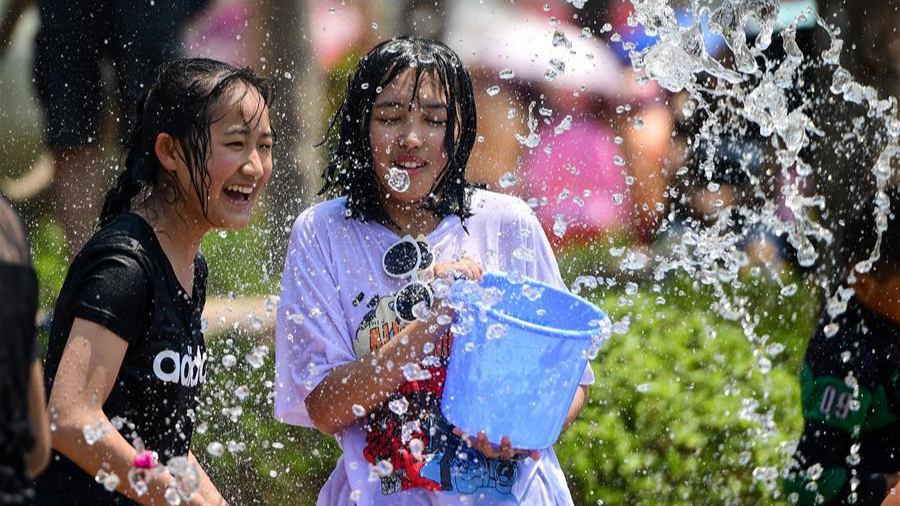
Water-splashing Festival
Introduction
The Water-splashing Festival is a vibrant cultural celebration with deep historical roots and significant cultural importance, primarily celebrated by the Dai ethnic group in Yunnan, China. This festival is typically held around in mid-April and is considered one of the most grand and joyful events in the Dai calendar. The festival involves a series of activities, including water splashing, dragon boat racing, bathing Buddha statues, scripture recitation, peacock dancing, and white elephant performances. The core theme of the festival is the symbolic cleansing and renewal, as participants splash water on each other to wash away bad luck and welcome a new year filled with happiness and prosperity.
History
The origins of the Water-splashing Festival can be traced back to folk customs in Southeast Asia. As the ritual evolved, it was embraced and transformed by Buddhism, spreading through various cultures and regions. The festival made its way to the Dai ethnic areas of Yunnan province, China, from Myanmar during the late 13th to early 14th centuries.
Throughout the centuries, the Water-splashing Festival has undergone significant transformations, adapting to the cultural and social dynamics of the regions where it is celebrated. While its core ritual of water splashing remains unchanged, the festival has incorporated various local customs and traditions, enriching its cultural tapestry. Over time, elements such as dragon boat racing, peacock dances, and performances involving white elephants have become synonymous with the festival, reflecting the unique cultural identity of the Dai people. These activities not only enhance the festive atmosphere but also highlight the community's artistic and cultural heritage.
Cultural Significance
Symbolism
The Water-splashing Festival is imbued with profound symbolic meaning, representing purification, renewal, and the cyclical nature of life. The act of splashing water is a symbolic gesture aimed at cleansing participants of misfortunes from the previous year, thereby preparing them for a fresh start filled with hope and prosperity. This symbolic cleansing process is rooted in the belief that water has purifying properties, washing away negative influences and bestowing blessings of happiness and good fortune. The festival's timing around the New Year further emphasizes themes of renewal and the continuity of life, reinforcing its significance as a spiritual and cultural rejuvenation.
Festivals in Different Regions
While the Water-splashing Festival is most prominently associated with the Dai ethnic group in Yunnan, its celebration extends across various Southeast Asian regions, each with its unique adaptations and interpretations. In Thailand, Songkran Festival is celebrated nationwide with a similar emphasis on water splashing and cleansing rituals. In Myanmar, it involves elaborate processions and community gatherings. The festival's presence in these regions highlights the interconnected cultural heritage shared by communities influenced by Buddhism and ancient Indian traditions. Despite regional variations, the core essence of the festival—celebrating renewal and purification—remains a unifying theme across all celebrations.
Impact on Tourism
Economic Impact
The Water-splashing Festival has a significant economic impact on the regions where it is celebrated, particularly in promoting tourism and local businesses. The influx of visitors during the festival period boosts the hospitality and service industries, providing economic opportunities for local communities. Tourists are drawn to the vibrant cultural displays, traditional performances, and the unique experience of participating in the water-splashing rituals. This increased tourist activity not only supports local economies but also encourages investment in cultural preservation and infrastructure development, ensuring the sustainability of the festival for future generations.
Cultural Exchange
The festival also plays a vital role in promoting cultural exchange and understanding between different communities. By attracting international visitors, the Water-splashing Festival facilitates the sharing of cultural practices, traditions, and values, fostering mutual respect and appreciation. This cultural exchange enriches the festival experience for both locals and tourists, creating a dynamic environment where diverse perspectives and ideas are celebrated. As a platform for cultural diplomacy, the festival contributes to building bridges between nations and promoting global harmony through shared cultural experiences.








